Lower back pain: causes, prevention and smart solutions for a healthy back
Lower back pain is one of the most common complaints among home workers and people with desk-based jobs. Whether you spend hours at a desk or stand in the same position for extended periods, your lower back is often under constant strain. The good news is that the causes are usually easy to identify, and with the right habits and an ergonomic workspace, many problems can be prevented.
What causes lower back pain?
Prolonged sitting
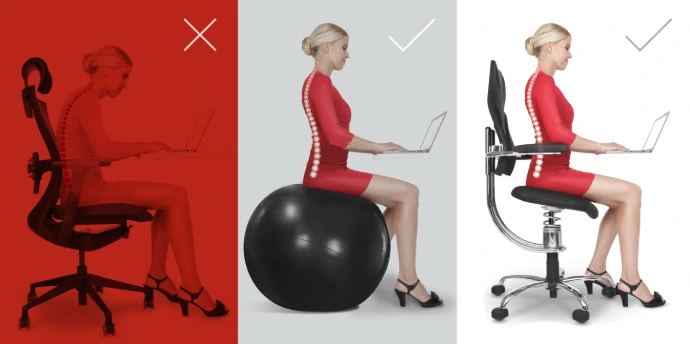
One of the biggest culprits is prolonged sitting. When you sit in the same position for hours on end, your muscles become less active and the pressure on your spine increases. Especially classic office chairs encourage a passive sitting posture, which means your body is not sufficiently supported by your own muscles.
Poor posture
Additionally, a poor posture also plays an important role. Slouching or working with a rounded back puts extra strain on your lower back and intervertebral discs. Combine this with weak core muscles — the muscles in your abdomen and lower back — and the chance of complaints increases significantly.
Lack of movement
Finally, a lack of movement and a poorly arranged workspace also pose extra risks. Think of a desk that is too low or a screen that is not set at eye level.
How can you prevent lower back pain?
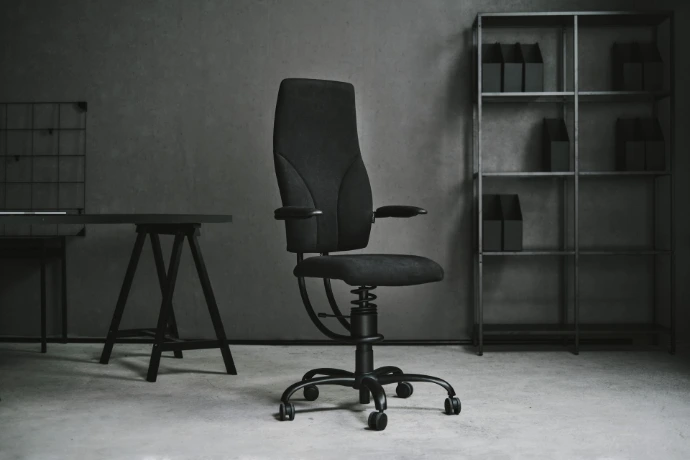
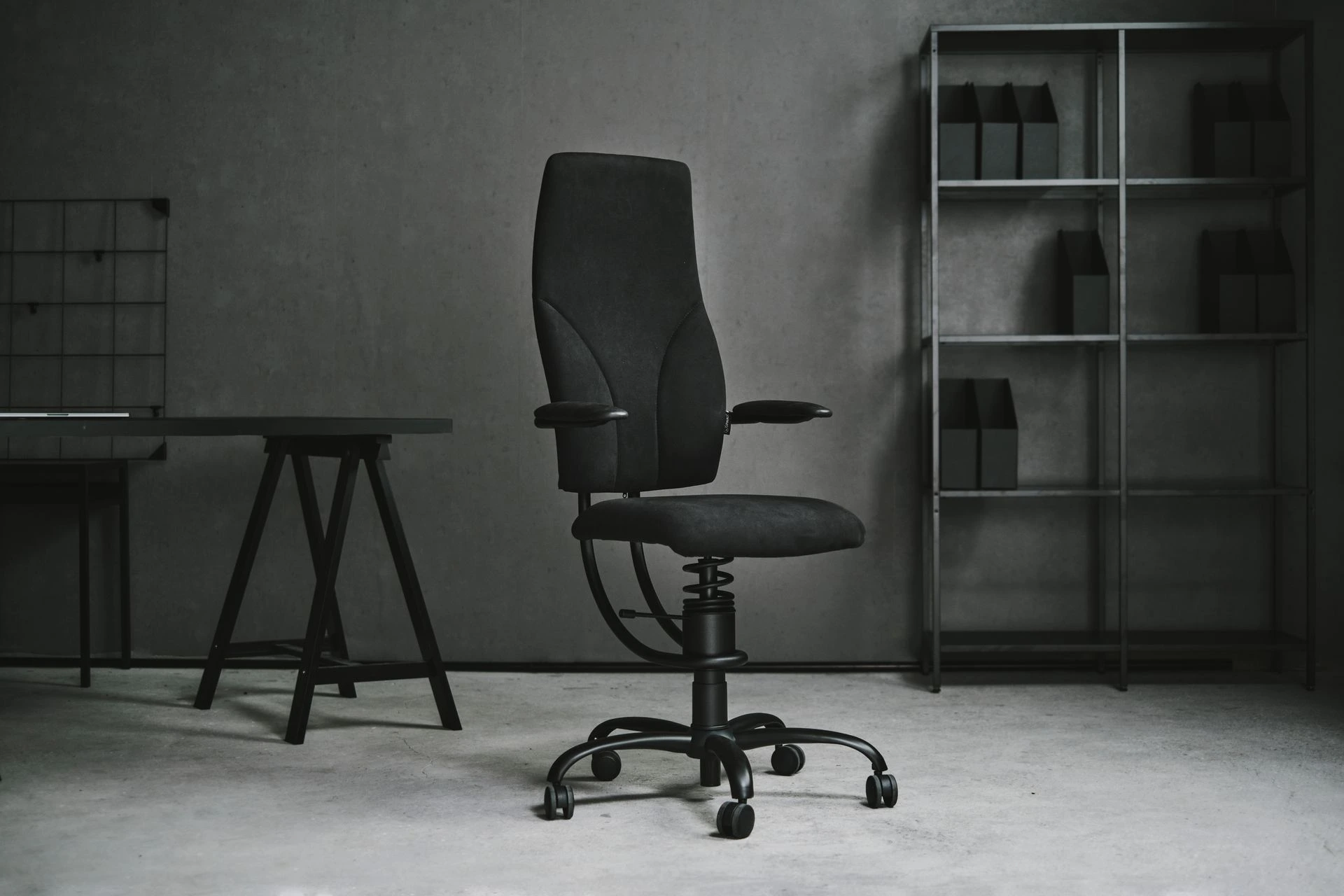
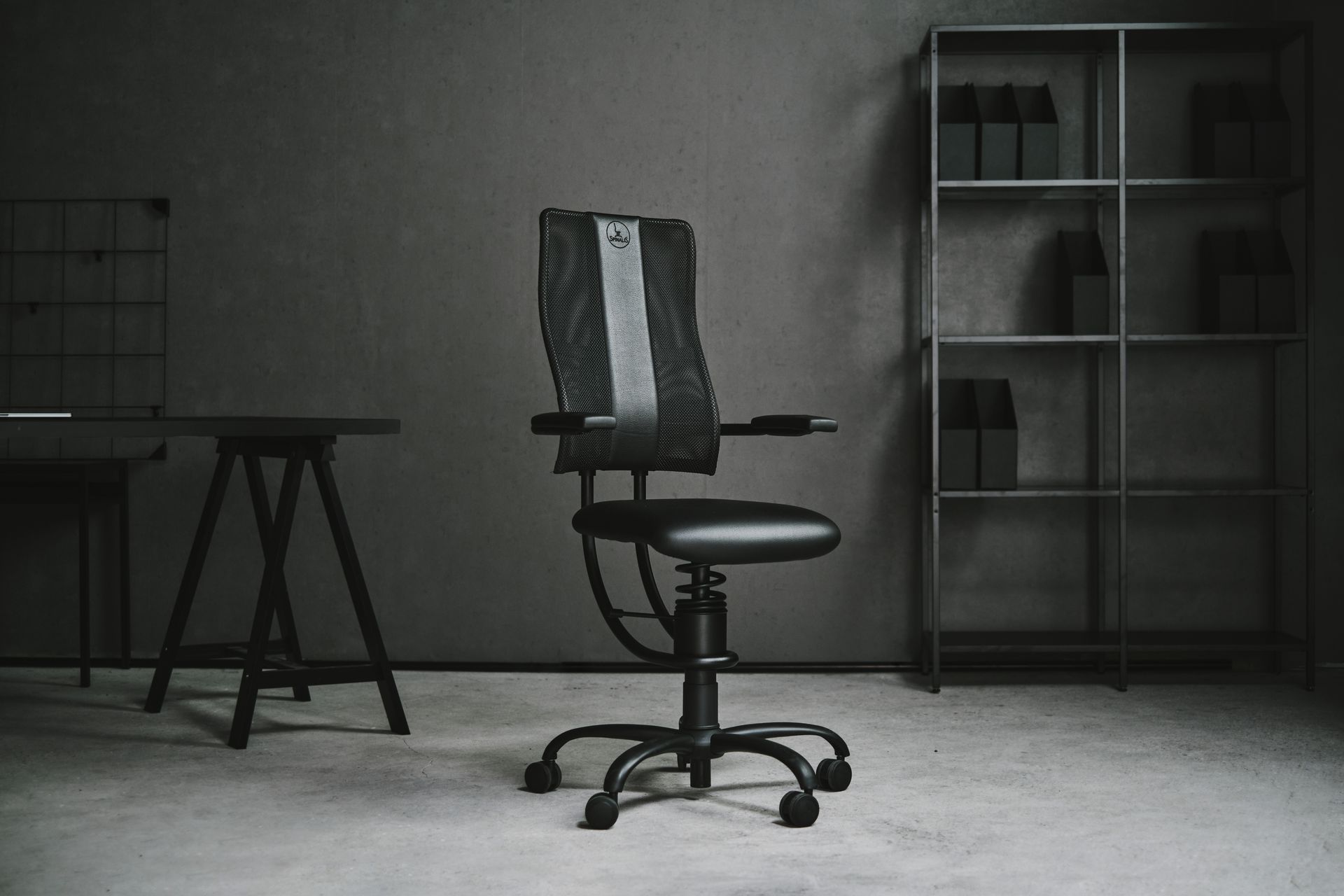
SpinaliS office chairs are designed with one clear goal: to prevent back complaints by putting movement at the center of sitting. Unlike classic chairs, where you often remain in a static position, SpinaliS chairs encourage an active sitting posture. Thanks to the seat ball function, you automatically sit up straighter and your back and abdominal muscles are continuously activated.
The constant, subtle movement ensures that your body does not "sink" and that your muscles remain active throughout the day. This can help reduce lower back pain and decrease the chance of problems such as a hernia. The seat moves in all directions with your body, keeping your pelvis in constant motion.
The great advantage of this is that the pressure on your intervertebral discs and joints is significantly reduced. While traditional ergonomic chairs mainly focus on support, SpinaliS takes it a step further by integrating movement into sitting itself. This not only makes it more comfortable but also healthier in the long term.
Looking for an office chair that helps keep you fit and healthy?
We help you on your way to the right chair!
Why choose SpinaliS?
SpinaliS chairs not only help reduce the risk of back pain, but also support better posture and sustained energy while you work. By keeping your body in subtle, continuous motion:
your muscles are strengthened
you automatically improve your sitting posture
you stimulate your blood circulation
you reduce the pressure on your lower back
This makes SpinaliS a smart investment for anyone who sits for long periods and takes their health seriously.
Conclusion
Lower back pain is often the result of a combination of prolonged sitting, poor posture, and too little movement. By making conscious choices — such as moving regularly, optimizing your workspace, and choosing dynamic sitting with a SpinaliS office chair — you can not only reduce complaints but also actively prevent them.
Do you want to give your back the support it deserves? Then it's time to replace sitting still with active sitting.
Important
Milestone
Reaching new heights together
Innovation
Hub
Where ideas come to life